Head to head · Banks
Citi vs Truist

Citi is major-city branches and long-running credit cards. Truist is the bank formed by BB&T and SunTrust, strong in the Southeast.
Figures as of . We set out the differences; the choice depends on how you bank.
Logos identify the institutions. Banking Power is not affiliated with, sponsored by or endorsed by either one.
Who wins what
Savings
Not comparable yet
- Citi
- 0.05% APY
- Truist
- Rate not yet checked
Truist: rate not yet checked
Checking
Citi
- Citi
- $5 a month
- Truist
- $12 a month
Lower checked monthly fee
The useful differences
Both are FDIC-insured here, and they are different institutions. Their certificates are #7213 and #9846. Insurance is per institution, not per logo. Joint accounts, trusts, and products that are not deposits change the math. The insurance guides on Banking Power explain the standard limit without pretending to calculate yours.
Access: both are a branch network. A branch matters if you still deposit cash or want a person across a desk. If you do not, a branch is not a reason to accept a lower yield or a monthly fee.
Savings: we track a savings account at Citi but not yet at Truist, so this page cannot compare their rates.
Checking: Citi's Access Checking lists a $5 monthly fee and Truist One Checking lists $12, before any waiver. Read each bank's waiver rules before you count a fee as zero.
Credit cards: we track 5 from Citi and 1 from Truist. Each card's page shows which terms we have checked.
Nothing on this page is financial advice. Citibank, National Association and Truist Bank publish the only rates that count, and only a current disclosure counts.
Side by side
| Fact | Citi | Truist |
|---|---|---|
| Legal name | Citibank, National Association | Truist Bank |
| Insurer | FDIC #7213 | FDIC #9846 |
| Main office | Sioux Falls, SDChecked · fdic.gov (source, opens issuer site) | Charlotte, NCChecked · fdic.gov (source, opens issuer site) |
| Access | Major-city branches | Southeast and Mid-Atlantic branches |
| Highest checked savings APY | 0.05% APYChecked · citi.com (source, opens issuer site) | Not yet checked |
| Lowest checked checking fee | $5Checked · citi.com (source, opens issuer site) | $12Checked · truist.com (source, opens issuer site) |
| Products we track | 9 | 3 |
Lean Citi if
- People in cities where Citibank branches are actually convenient
Lean Truist if
- Households in the legacy BB&T or SunTrust map
High-yield savings
Scroll sideways for more columns. The account name stays put.
| Citi Savings Branches and online | 0.05% APY Citi Savings standard APY, all tiers shownChecked at citi.com | $4.50Waived with Relationship Tier or $500+ avg monthly balanceChecked at citi.com | Branches and online |
|---|---|---|---|
| Truist One Savings Branches and online | Not yet checked | $5 or $0Four ways to waive, incl. $300 minimum daily ledger balance or recurring $25+ internal transfer; $50 minimum opening depositChecked at truist.com | Branches and online |
Checking accounts
Scroll sideways for more columns. The account name stays put.
| 1 of 2 checked | |||
|---|---|---|---|
| | $5Checked at citi.com | Not yet checked | Branches and online |
| Truist One Checking Branches and online | $12 or $0Waivable; $50 min opening depositChecked at truist.com | 0.00% APY Does not earn interestChecked at truist.com | Branches and online |
Mortgages
Scroll sideways for more columns. The account name stays put.
| 30-year fixed | 6.96% (6.875% rate, 0.500 points). Loan amount, down payment or LTV, credit score, and lock period: Assumptions not stated by CitiChecked at citi.com | $2,628 |
Credit cards
Scroll sideways for more columns. The account name stays put.
| 5 of 6 checked | 5 of 6 checked | ||
|---|---|---|---|
| $0Checked at citi.com | Not yet checked | 16.74%–27.49%Checked at citi.com | |
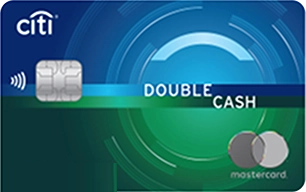 Citi Double Cash Good for: Cash back | $0Checked at citi.com | 2% (1% when you buy and 1% when you pay)an extra 3% on hotels, cars, and attractions via Citi Travel, for 5% total on those bookingsChecked at citi.com | 18.49%–28.74%Checked at citi.com |
| $0Checked at citi.com | Does not earn rewardsChecked at citi.com | 17.74%–28.49%Checked at citi.com | |
 Citi Strata Good for: TravelGroceriesDining | $0Checked at citi.com | 5x hotels, car rentals and attractions booked on cititravel.com3x supermarkets; 3x gas and EV charging and select transit; 3x one self-select category; 2x restaurants; 1x all other purchasesChecked at citi.com | 18.74%–28.74%Checked at citi.com |
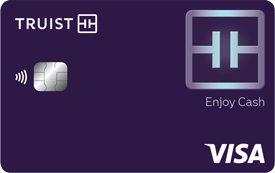 Truist Enjoy Cash Good for: Cash back | $0Checked at truist.com | Choose 3%/2%/1% tiered or flat 1.5% cash backChecked at truist.com | 18.99%–27.99%Checked at truist.com |
| Citi Strata Premier Good for: TravelGroceriesDining | $95Checked at citi.com | 10x hotels, car rentals, and attractions on cititravel.com3x air travel and other hotels; 3x restaurants; 3x supermarkets; 3x gas and EV charging; 1x otherChecked at citi.com | Not yet checked |
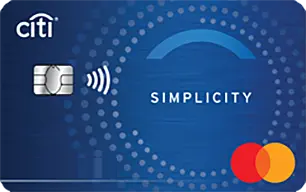
Personal loans
Scroll sideways for more columns. The account name stays put.
| 10.24%–18.49%Terms up to 60 monthsChecked at citi.com | $2,000–$30,000 | 12–60 months | — |
Questions
Should I pick Citi or Truist?
This page does not pick one for you. Use the differences in access, insurance, membership, and fees to decide which disclosure to read first. Then decide with current terms and your own situation.
Are the Citi and Truist rates on this page live?
No. Check the institution before you act.
Does FDIC mean one is as protected as the other?
Citi is listed under FDIC. Truist is listed under FDIC. Insurance covers eligible deposits up to the standard limit at each insured institution. It does not cover stocks, mutual funds, crypto, or a promise that a fee is fair. It also does not apply to a product that is not a deposit.